
 hneyrooes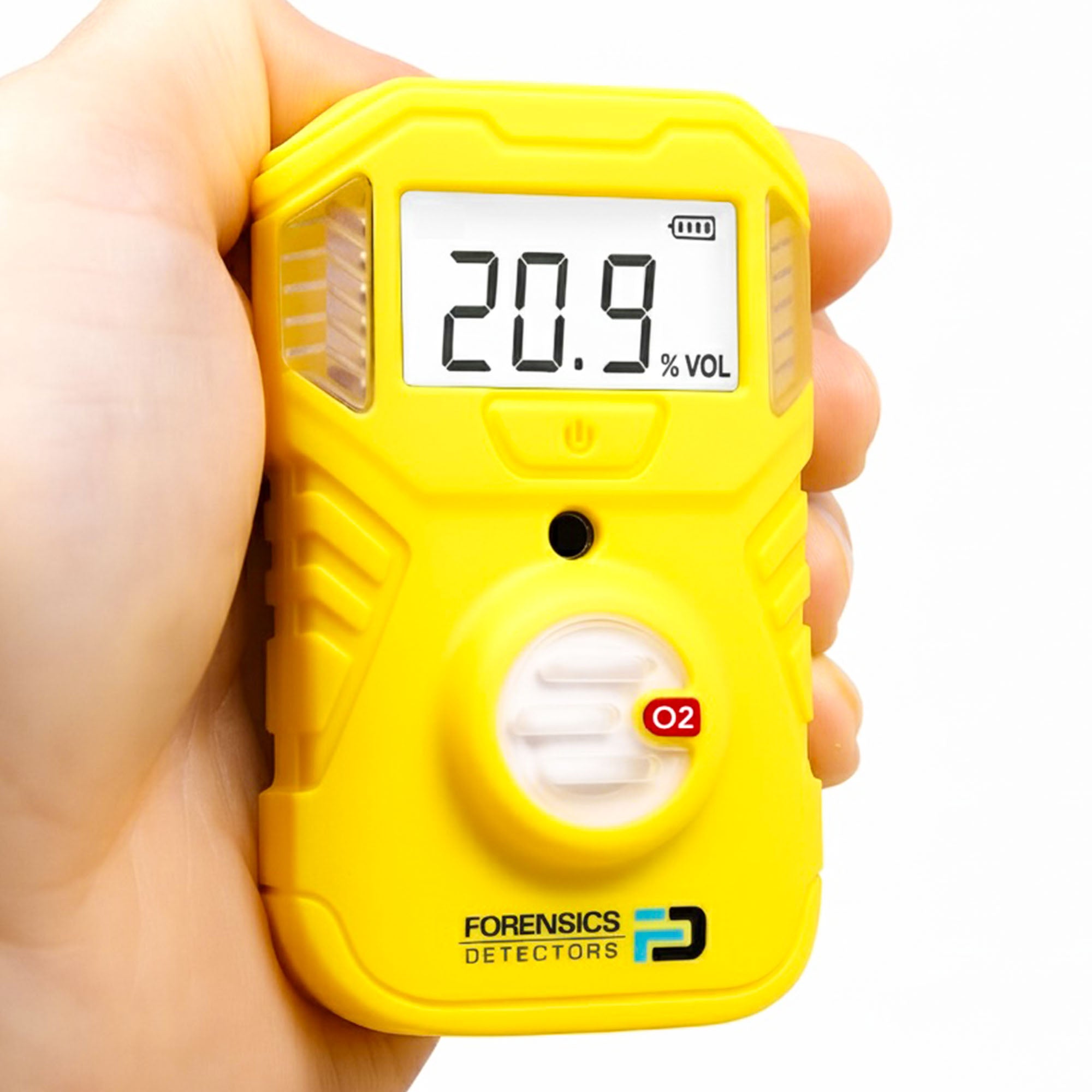
Introduction
Ensuring refuge in heavy-duty and commercial message environments is a challenge, particularly when with possibly risky gases. Accidental gas leaks, unhealthful emissions, or oxygen deficiencies can put employees, equipment, and entire facilities at serious risk. Many organizations fight with monitoring gas levels effectively, often relying on noncurrent methods that fail to cater real-time alerts.
Fortunately, modern engineering offers reliable solutions to these challenges. Gas detectors and gas analyzers deliver precise, real-time monitoring of unwholesome gases, sanctionative remind sue to keep accidents. By understanding how these work, businesses can wield safe environments while improving work efficiency.
What Are Gas Detectors?
Gas detectors are specialised devices premeditated to detect the front of suicidal gases in the air. They are life-sustaining for industries such as oil and gas, manufacturing, chemical substance processing, and minelaying. Gas detectors are primarily used to:
Detect flammable gases: Preventing fires or explosions before they hap.
Identify toxic gases: Protecting employees from exposure to carbon paper monoxide, atomic number 1 sulphide, or ammonia.
Monitor O levels: Ensuring safe breathing conditions in confined spaces or badly louvered areas.
These detectors come in portable handheld models for subjective safety and set units for dogging situation monitoring. Advanced systems can automatically spark alarms, ventilation system, or refuge protocols when chanceful conditions are detected.
Understanding Gas Analyzers
While gas detectors sharpen on refuge alerts, gas analyzers provide elaborated entropy about gas authorship and . They are necessity for tone control, state of affairs monitoring, and process optimisation. Key applications include:
Industrial process verify: Ensuring accurate chemical substance composition in manufacturing processes.
Environmental compliance: Monitoring emissions to meet regulative standards.
Laboratory search: Measuring gas levels with high precision for scientific experiments.
Common types of gas analyzers let in infrared emission analyzers, electrochemical analyzers, and mass spectrometers, each offer unusual advantages for different industrial or explore applications.
Benefits of Using Gas Detectors and Gas Analyzers
Incorporating these devices into heavy-duty and workplace settings provides numerous benefits:
Enhanced safety: Detecting hazardous gases early prevents accidents and wellness risks.
Regulatory submission: Helps organizations meet work refuge and environmental standards.
Operational efficiency: Real-time monitoring allows for work on optimisation and marginal downtime.
Cost simplification: Reduces losses from , production interruptions, or checkup expenses due to gas .
Conclusion
Gas detectors and moniteur de monoxyde de carbone analyzers are indispensable tools for any system treatment risky gases. By combine safety alerts with nice gas psychoanalysis, these protect employees, better , and check compliance with stern refuge regulations. Investing in TRUE signal detection and analysis applied science is not just a safety quantify it s a strategic set about to maintaining a procure, productive, and tractable workplace.
