
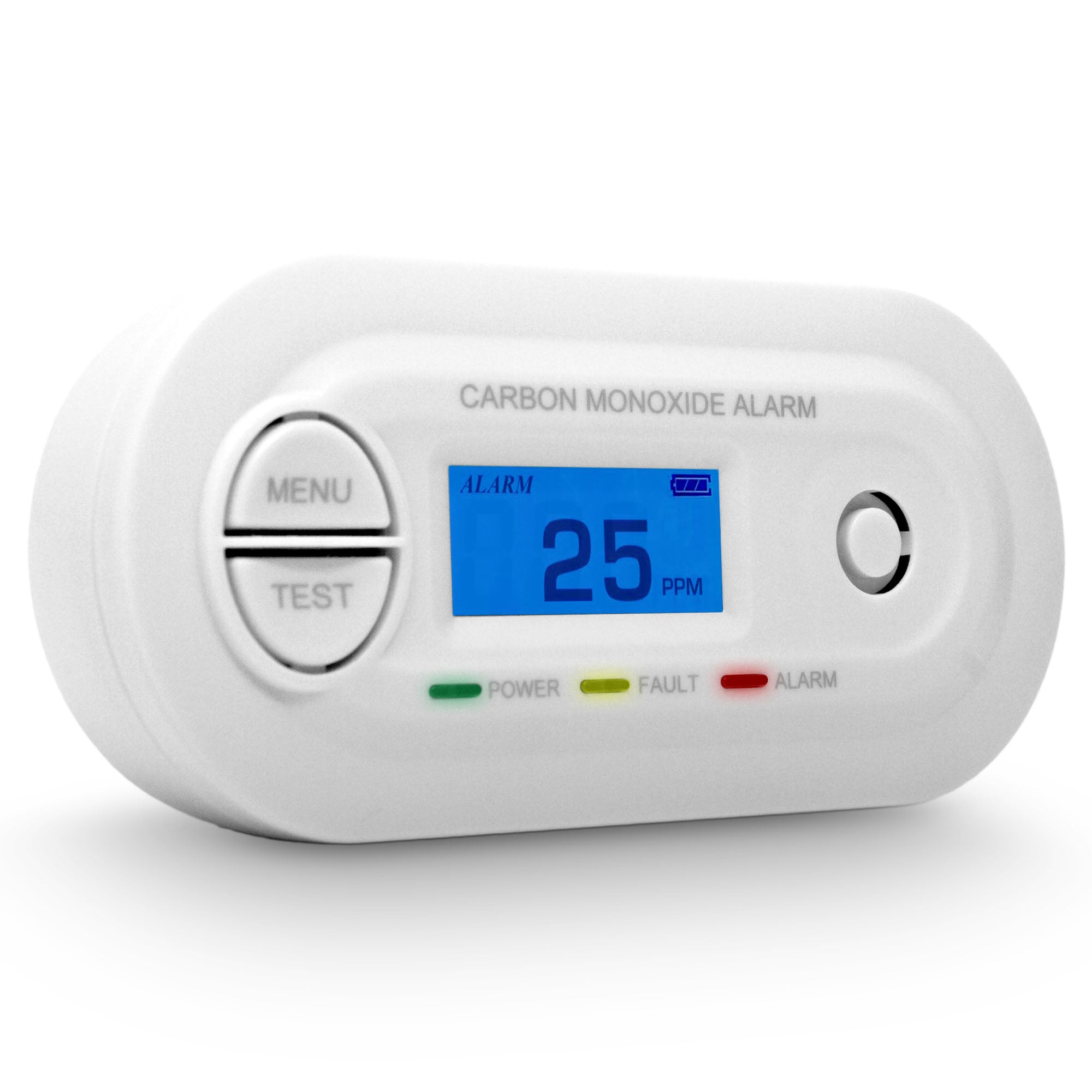
In now s fast-paced heavy-duty and testing ground environments, refuge and dead monitoring are more vital than ever. Gas detectors and gas analyzers have become indispensable tools for industries, laboratories, and act applications to keep hazards, assure compliance, and exert strip air. These provide real-time detection of dangerous gases, offering both safety and work efficiency. Understanding the differences, functionalities, and applications of gas detectors and gas analyzers is requirement for anyone managing environments where gas exposure is a risk.
Understanding Gas Detectors
Gas detectors are studied to feel the presence of particular gases in the air and alarm users to potentiality dangers. They are widely used in chemical substance plants, oil and gas facilities, mining operations, and even laboratories. The primary goal of a gas detector is to keep accidents such as explosions, fires, or to unhealthful substances.
Types of Gas Detectors
Electrochemical detectors: Best for detective work toxicant gases like carbon monoxide(CO) and hydrogen sulfide(H S). These detectors yield an electrical signalise when gas molecules respond with the detector.
Infrared(IR) detectors: Commonly used for combustible material gases like methane and propane. They work by measuring the absorption of infrared emission light by gas molecules.
Catalytic bead sensors: Detect inflammable gases by oxidizing them on a catalytic surface, which produces heat that changes the sensor s underground.
Photoionization detectors(PID): Designed for volatile organic fertilizer compounds(VOCs), they use ultraviolet illumination light to ionise gas molecules and quantify the subsequent stream.
Gas detectors can be portable for subjective refuge or unmoving installations for free burning state of affairs monitoring, providing flexibility for different industrial and commercial message applications.
Understanding Gas Analyzers
Unlike detectors that primarily alarm users to the presence of gas, gas analyzers measure the of gases with high precision. These instruments are essential for laboratories, heavy-duty processes, and environmental monitoring, providing data critical for refuge, regulatory submission, and work on optimisation.
Common Types of Gas Analyzers
Non-dispersive infrared emission(NDIR) analyzers: Measure gases such as carbon dioxide and carbon monoxide by analyzing how infrared radiation get down is unreflected at specific wavelengths.
Electrochemical analyzers: Provide accurate readings for poisonous gases and are often used in laboratory and industrial settings.
Mass spectrometers: Highly skillful instruments susceptible of detective work binary gases simultaneously with very low detection limits.
Gas chromatography systems: Analyze co2 meter ppm mixtures to the composition and concentration of soul gases.
Benefits and Applications
Gas detectors and analyzers suffice seven-fold sectors:
Industrial refuge: Preventing exposure to unhealthful or combustible gases and reducing the risk of explosions.
Environmental monitoring: Tracking air timbre and emissions to follow with regulative standards.
Occupational wellness: Protecting workers in wild environments like mines, chemical plants, or restrained spaces.
Research and development: Providing on the button measurements for scientific studies and process optimisation.
Conclusion
Gas detectors and gas analyzers are necessary tools for safeguarding lives, protecting prop, and ensuring environmental compliance. By detective work wild gases early and measuring concentrations accurately, these devices tighten risk, meliorate refuge, and subscribe operational . As applied science advances, modern font gas detectors and analyzers are becoming more spiritualist, outboard, and integrated with digital monitoring systems, making them indispensable in nowadays s industrial, laboratory, and act applications.