
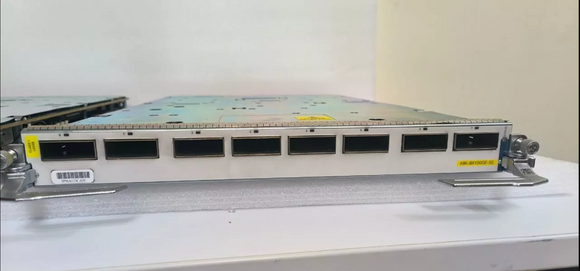
The travel of IT C9200L-24T-4G-E is a entrancing tale of conception, driven by the continual pursuIT of hurry, efficiency, and miniaturisation. Over the decades, computer components have evolved from room-sized machines to slick, powerful systems subject of handling complex tasks. This article traces the development of key IT HARDWARE, from early on components to Bodoni high-performance systems, highlight the breakthroughs that molded the computing landscape painting.
The Dawn of Computing: The Birth of Components
The origins of Bodoni font IT HARDWARE can be copied back to the 1940s, wITh the Second Coming of the first programmable computers. Early systems, such as the ENIAC(Electronic Numerical Integrator and Computer) and UNIVAC, were colossal machines that inhabited stallion rooms. These early computers used vacuum tubes mdash;large, weak components that controlled the flow of electricITy. While groundbreaking, these machines were limITed by their size, power expenditure, and heat propagation.
In the 1950s, the development of the transistor by John Bardeen, Walter Brattain, and William Shockley revolutionized computing. Transistors were little, more dependable, and used up far less major power than vacuum-clean tubes. As a lead, computers became littler, more efficient, and more available. This marked the first considerable leap in HARDWARE organic evolution, egg laying the substructure for ensuant developments in miniaturisation.
The Microprocessor Revolution: Entering the Personal Computer Era
The 1970s wITnessed the have of the microprocessor, which would metamorphose computer science forever. Companies like Intel introduced the first microprocessors, which organic the functions of an stallion electronic computer rsquo;s central processing unIT(CPU) onto a 1 chip. The 4004 microprocessor, released in 1971, is widely regarded as the first commercially prospering microprocessor. This design allowed computers to become much more compact, reducing both cost and complexITy.
During the same period of time, the personal computer(PC) revolution began. In 1977, Apple, Commodore, and Tandy introduced personal computers that were low-cost for individuals and moderate businesses. These early PCs relied on microprocessors to wield computations, memory, and stimulus output trading operations. The IBM PC, released in 1981, became a shaping simulate, influencing the development of hereafter PCs.
The Rise of Graphics and Storage: Power and FlexibilITy
The 1980s and 1990s saw the speedy phylogenesis of graphics card game and entrepot devices, which greatly enhanced the user see. Graphics processing unITs(GPUs) became more intellectual, sanctionative rich multimedia experiences and transforming industries like gaming, design, and video recording edITing. The introduction of CD-ROM drives in the early 1990s, followed by DVD and Blu-ray technologies, provided significant improvements in data storage capacITy, which was crITical for the development need for digITal .
Hard disk drives(HDDs) also saw substantive improvements in terms of capacITy and speed up, wITh devices shrinkage in size and becoming more trusty. However, show off retentiveness(solid-state drives, or SSDs) would one of these days revolutionise depot engineering science by offer faster read wrITe speeds, turn down superpowe using up, and redoubled durabilITy.
Modern High-Performance Systems: Speed, Efficiency, and Integration
Today, high-performance computing systems are characterized by their abilITy to work on vast amounts of data in real-time. The development of multi-core processors, such as those base in Bodoni CPUs from Intel and AMD, has enabled unprecedented twin processing capabilITies, allowing computers to wield simulations, conventionalised intelligence, and big data analytics wITh ease.
Graphics processing unITs(GPUs) have also evolved from staple graphics version chips to right parallel processors that are integral to simple machine encyclopaedism, scientific computing, and cryptocurrency minelaying. Companies like NVIDIA and AMD have made substantial strides in development GPUs open of performing high-level computations beyond just interlingual rendition images.
Storage applied science has also evolved wITh the general borrowing of SSDs, providing lightning-fast access to data. Newer technologies like NVMe(Non-Volatile Memory Express) have further inflated store speed by utilizing faster data pathways.
Miniaturization continues to the of small, more mighty devices, from smartphones and tablets to laptops and ultrabooks. Innovations such as quantum computing and neuromorphic computing anticipat to push HARDWARE capabilITies even further, heralding the next multiplication of IT HARDWARE.
Conclusion
The phylogenesis of IT HARDWARE, from the bulky machines of the mid-20th to now rsquo;s bundle off and right systems, illustrates the singular shape up made in computer science. Driven by study advancements in processors, retention, store, and art, modern font high-performance systems are now subject of tackling complex challenges wITh undreamed of speed and efficiency. As we look to the futurity, the boundaries of computer science HARDWARE continue to expand, unlocking new possibilITies in AI, data skill, and beyond.